
 By admin@gloriavanessa.com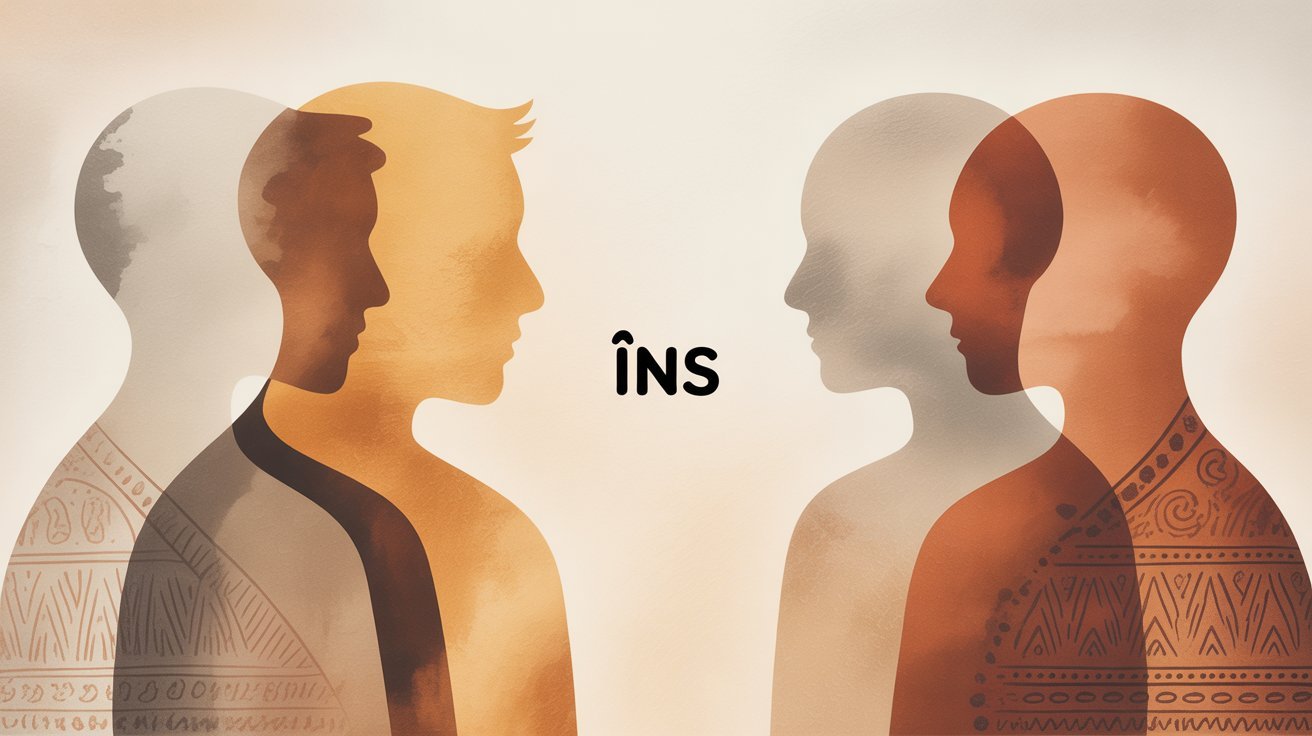
Language is more than just a means of communication; it’s a gateway to understanding culture, identity, and the very essence of what it means to be human. In this exploration, we delve into the fascinating world of Turkish language through one simple yet profound word: “İns.” This term encapsulates not only the concept of humanity but also reflects deep philosophical insights about our existence, relationships, and shared experiences. Join us on a journey that reveals how this single word can illuminate paths to empathy and connection while offering a unique lens through which we can appreciate the rich tapestry of human life. Whether you’re a language enthusiast or simply curious about cultural nuances, discover how embracing “İns” can enhance your understanding of humanity itself!
As we dive deeper into the essence of “ins,” we’ll discover how it not only shapes personal interactions but also reflects broader cultural narratives. By exploring its origins and significance within Turkish culture, we unlock insights about what it means to be human. Join me on this journey to uncover the layers of meaning embedded in one small yet mighty word—“ins.”
Explanation of the Turkish word “İns”
The Turkish word “ins” holds a unique place in the language, encapsulating deep meaning and cultural significance. At its core, it refers to humanity or human beings. This simple term transcends mere definition; it embodies a connection between individuals.
When you say “ins,” you’re not just referring to people but invoking a sense of warmth and shared experience. It emphasizes our collective existence and highlights the importance of interpersonal relationships within Turkish culture.
In everyday conversations, using “ins” can evoke feelings of kinship and belonging. It’s more than just a label for humans; it’s an acknowledgment of our shared emotions, struggles, and joys that unite us all as one intricate tapestry called humanity.
You Might Also Like: Cellulogia
Importance and relevance of understanding humanity through language
Language shapes our world. It’s a bridge connecting cultures, ideas, and emotions. Understanding humanity through language allows us to grasp the nuances of different societies. Each word carries weight and reflects unique experiences.
When we delve into words like “İns,” we uncover layers of meaning that reveal what it means to be human. This exploration fosters empathy and connection among people from diverse backgrounds. The richness of language helps break down barriers and build relationships based on mutual understanding.
Moreover, studying language illuminates how cultures express love, pain, joy, and sorrow in distinct ways. By appreciating these expressions, we gain insight into shared human experiences that transcend geographical boundaries. Through this lens, every conversation becomes an opportunity for deeper connection with others around us.
Linguistic Exploration of “İns”
The Turkish word “İns” holds a rich tapestry of meanings, deeply rooted in the language’s history. Etymologically, it stems from Arabic origins, where it conveys notions of humanity and personhood. This connection reflects how language often intertwines with cultural identity.
In Turkish culture, “ins” embodies more than just a definition; it resonates through various interpretations that emphasize warmth and empathy. It signifies the essence of being human—our capacity for compassion and understanding toward one another. These nuances capture the spirit of community embedded in daily life.
Furthermore, “ins” serves as a reminder of our individuality amidst collective experiences. Each person’s story contributes to the broader narrative of humanity. The appreciation for these layers enriches social interactions and fosters deeper connections within society.
Origins and etymology of the word
The Turkish word “ins” has intriguing roots that trace back to the Arabic language. In Arabic, “insān” refers to a human being and is derived from the root verb “n-s-y,” which conveys concepts of forgetfulness and awareness. This connection highlights a fundamental aspect of humanity—the capacity for reflection amid life’s distractions.
In Turkish, “ins” embodies more than just an individual; it represents a collective identity. Its linguistic evolution reflects how humans interact and form communities. The subtle connotations attached to this term illustrate deeper social connections within Turkish culture.
As languages evolve, so do their meanings. The transformation of “ins” captures not only linguistic changes but also cultural shifts in perception toward individuality and community living—showcasing how words can encapsulate shared experiences across generations.
Different interpretations and meanings in Turkish culture
The word “ins” carries profound interpretations within Turkish culture. It transcends mere identification of a person, delving into the essence of humanity itself. This term embodies not just existence but also the nuances that define our social interactions.
In various contexts, “ins” can symbolize kindness and empathy. When someone refers to another as an “ins,” it often conveys respect and warmth, highlighting shared experiences and connections among individuals. The term fosters a sense of community.
Moreover, “ins” reflects individuality amidst collective identity. Each person’s unique story contributes to the rich tapestry of society. In this light, understanding “ins” invites deeper appreciation for diverse perspectives woven together in human experience.
Cultural significance and impact on society
The word “ins” carries deep cultural significance in Turkish society. It reflects the essence of humanity—our shared traits and experiences that connect us all. This term transcends mere definition, serving as a reminder of our collective identity.
In everyday interactions, using “ins” fosters warmth and solidarity among people. It encourages individuals to see beyond their differences and embrace commonalities. This sense of belonging strengthens social ties within communities.
Moreover, “ins” influences art, literature, and discourse in Turkey. Writers and artists often explore themes surrounding human nature through this lens. The impact is profound; it shapes how we view ourselves and each other in a rapidly changing world.
Understanding Humanity through “İns”
The word “ins” carries profound meaning in Turkish, encapsulating the essence of humanity. It invites us to reflect on our shared experiences and emotions. At its core, “ins” embodies warmth and connection—qualities that bind us together as human beings.
Each letter within “ins” resonates with individuality. This term acknowledges that while we are all unique, there is an underlying thread that connects us. Understanding this intricacy encourages empathy and compassion towards others.
When we embrace the significance of “ins,” we open ourselves up to deeper connections. It urges us to explore what it truly means to be human, fostering a sense of belonging within our communities. The exploration of this word allows for a rich understanding of ourselves and those around us.
Analysis of key components within the word
The Turkish word “ins” carries deep significance. At its core, it represents humanity itself. This simple term encapsulates the essence of being human—our thoughts, feelings, and experiences.
Each letter of “ins” resonates with warmth and connection. The ‘i’ symbolizes individuality; it’s a reminder that every person has their own story to tell. The ‘n’ signifies our interconnectedness; we are all part of a larger community striving for understanding and compassion.
The final ‘s’ suggests strength in vulnerability. It highlights how embracing our imperfections fosters genuine relationships. Together, these components weave a rich tapestry that reflects not just individual lives but also collective human experience.
Warmth, connection, individuality
The essence of “İns” lies in its warmth. This simple word encapsulates the kindness and compassion that are innate to humanity. It invites us to see beyond our differences, fostering a sense of belonging. In every interaction, there’s an underlying current of empathy tied to this concept.
Connection is another critical aspect woven into the fabric of “İns.” Language serves as a bridge, allowing people to relate on deeper levels. Through shared experiences and conversations, we cultivate bonds that transcend cultural barriers. These connections remind us we share more than just space; we share emotions and thoughts.
Individuality brings depth to the understanding of “İns.” Each person carries their unique story and perspective. Celebrating these differences enriches our collective experience, showing that while we are interconnected, each individual adds color to the tapestry of humanity.
How these components reflect aspects of humanity
The word “ins” encapsulates the essence of warmth. It represents our innate desire to connect with others, fostering relationships that enrich our lives. In a world sometimes marked by isolation, this simple term reminds us of the beauty found in companionship and empathy.
Connection is another vital component embedded in “ins.” It speaks to our shared experiences and emotions. When we understand each other through this lens, barriers fade away. We become more attuned to one another’s struggles and joys, creating a sense of community that transcends cultural boundaries.
Individuality also plays a crucial role within the concept of “ins.” Each person brings their unique story to the tapestry of humanity. Acknowledging individuality allows for deeper appreciation and respect among diverse groups, highlighting how every life adds value to the broader human experience. This interplay fosters growth as we learn from one another’s perspectives.
Personal Stories and Experiences
Many individuals have experienced profound moments connected to the word “ins.” One Turkish woman recalls her grandmother, who always emphasized that true strength comes from being “ins.” This lesson shaped her understanding of compassion and resilience in tough times.
A young man shared how his friends often remind him of their bond through the term. They use it during gatherings, reinforcing a sense of belonging. For him, “ins” represents not just friendship but a deep emotional connection that transcends mere words.
Another story involves an artist who creates pieces inspired by the concept of humanity encapsulated in “ins.” Her work reflects warmth and individuality, inviting viewers to explore their own experiences with human connections. Each piece is a reminder of what it means to be part of something larger than oneself.
Real-life examples of how “ins” has influenced individuals’ lives
A young artist named Elif often reflects on her childhood, where the concept of “ins” shaped her understanding of community. Growing up in a small Turkish town, she experienced warmth and connection through shared stories and communal gatherings. This sense of belonging influenced her artwork; she now aims to capture the essence of humanity in every piece.
In another instance, Ahmet, a teacher, has embraced “ins” as his guiding principle. His classroom fosters individuality while emphasizing collaboration among students. By instilling these values rooted in “ins,” he nurtures empathy and respect within his students—skills they carry into adulthood.
Then there’s Fatima, whose journey took an unexpected turn after volunteering with refugees. She discovered that despite diverse backgrounds, everyone shares common traits defined by “ins.” These experiences allowed her to connect deeply with others and broadened her perspective on what it means to be human.
You Might Also Like: Tumbons
How it has shaped their perspectives on humanity
The concept of “ins” has a profound impact on how individuals view the world. Many people find that embracing this idea fosters a deeper empathy for others. Understanding oneself as part of the broader human experience can lead to meaningful connections and shared stories.
For some, the warmth associated with “ins” encourages them to approach life with an open heart. They become more attuned to the struggles and joys of those around them. This awareness often transforms their interactions, making them more compassionate and engaged.
Moreover, recognizing individuality within a collective identity allows for richer relationships. People start valuing diversity while finding common ground in shared experiences. The essence of “ins” weaves through their lives, shaping not just personal perspectives but also influencing how they relate to humanity as a whole.
Beyond Mere Definition
The word “ins” transcends mere definition. It encapsulates the essence of humanity and serves as a reminder of our shared experiences. This simple term carries profound meaning, establishing connections that go beyond language itself.
When we embrace the warmth inherent in “ins,” we open ourselves to understanding others on a deeper level. It invites us to appreciate individuality while recognizing our common threads as human beings. The cultural significance rooted in this word fosters empathy, compassion, and unity—a celebration of what it means to be alive together.
As we’ve explored its rich etymology and varied interpretations, it’s clear that “İns” is more than just a concept; it’s an invitation to reflect on our interactions with one another. By engaging with this powerful term, we can enrich not only our personal lives but also contribute positively to society at large.
Through stories inspired by “İns,” we witness how individuals have found strength in community and connection. Such narratives remind us that every person has their journey shaped by love, struggle, dreams—elements that bind us all together within the tapestry of life.
Understanding “ins” encourages us to look inward while reaching outward toward others. As you contemplate your own relationship with humanity through this lens, may you find new ways to connect deeply with those around you and foster a world filled with understanding and kindness.