
 By admin@gloriavanessa.com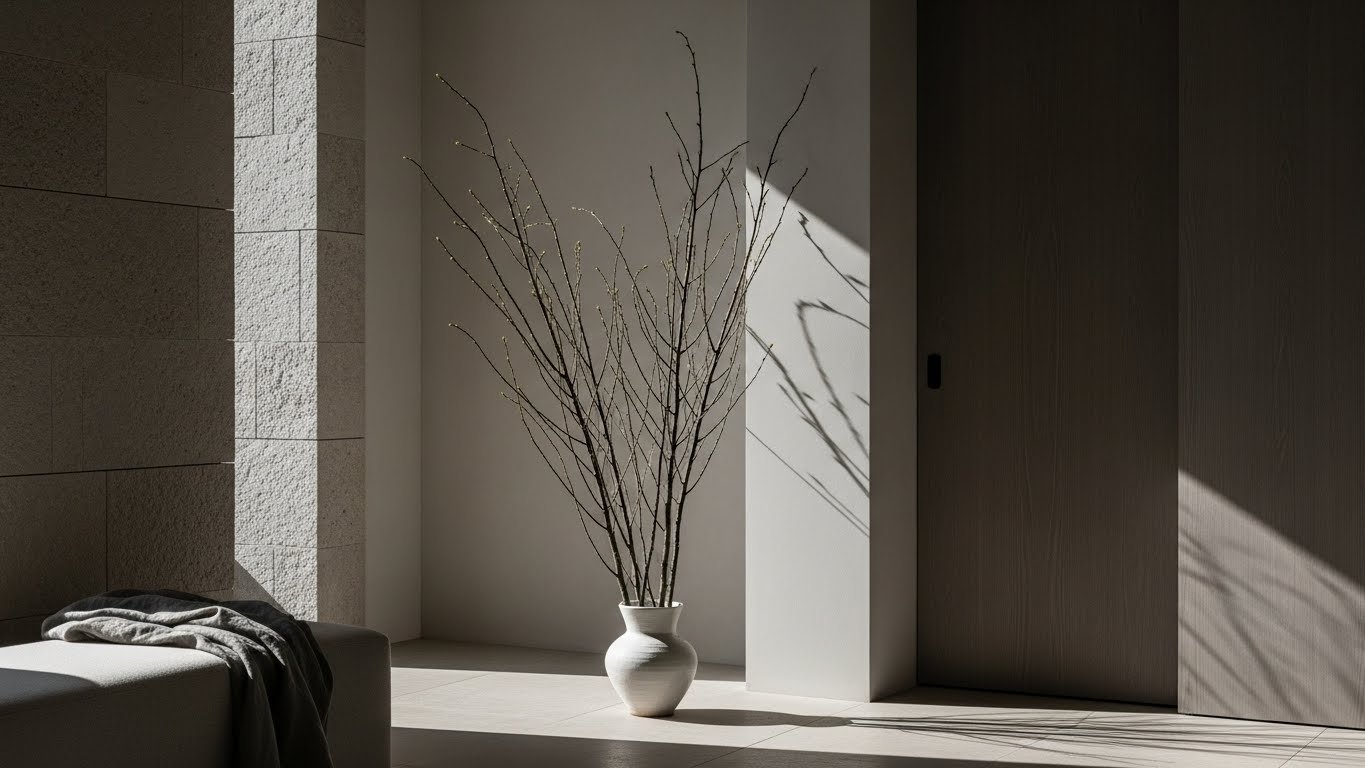
Decorative elements play a decisive role in how interior spaces communicate mood, seasonality, and identity, especially in environments where subtle visual cues matter. Among these elements, natural and nature-inspired accents provide balance against hard surfaces and structured layouts. Designers increasingly rely on details that introduce texture and organic variation without overwhelming spatial harmony. Pyntekvister occupy this niche by offering visual softness, directional movement, and symbolic connection to nature. Their understated presence allows them to function across styles, from minimalist interiors to layered decorative compositions. Used intentionally, they support cohesion rather than distraction.
-
visual texture enhancement
-
seasonal adaptability
-
spatial balance contribution
The appeal of these decorative branches lies not in ornamentation alone, but in their ability to guide perception and rhythm within a space. When placed with intent, they influence scale, focal points, and emotional tone. This article examines their structural characteristics, stylistic implications, and practical relevance across residential and commercial contexts. Each section builds on the previous one to explain how thoughtful selection and placement translate into consistent decorative outcomes. The objective is to provide a grounded, professional perspective rather than trend-driven inspiration.
Conceptual Role in Decorative Design
The conceptual role of pyntekvister in decorative design centers on their capacity to introduce organic form into controlled environments. Unlike flowers, they emphasize line, structure, and negative space. This makes them effective for creating calm visual narratives. Their form guides the eye vertically or diagonally. Designers use them to soften rigid geometry. The explanation matters because misuse leads to clutter. Conceptual clarity ensures restraint. In real-world interiors, they anchor arrangements without dominating them. Their role remains supportive. Visual coherence improves.
The implications of this conceptual role affect how spaces are perceived emotionally. Calm arrangements reduce sensory overload. In practice, interiors feel intentional. Hospitality and retail spaces benefit from subtle atmosphere control. Pyntekvister support branding without explicit messaging. Over time, they become part of a recognizable aesthetic language. Their conceptual role sustains consistency.
You Might Also Like: Veneajelu
Material Characteristics and Visual Texture
Material characteristics define how pyntekvister interact with light and surrounding surfaces. Natural wood, preserved branches, and synthetic alternatives each behave differently. Texture influences shadow, contrast, and depth. Understanding material properties prevents mismatched use. In real interiors, light conditions vary. Texture must respond predictably. Rough surfaces add warmth. Smooth finishes create refinement. Material choice shapes perception.
The implications include durability and maintenance considerations. In practice, appropriate materials reduce upkeep. Commercial settings demand consistency. Residential spaces allow variation. Over time, material stability preserves appearance. Visual texture becomes reliable. Designers achieve predictable results. Material understanding supports longevity.
Scale, Proportion, and Spatial Balance
Scale and proportion determine how pyntekvister relate to surrounding elements. Oversized branches overwhelm small spaces. Undersized arrangements disappear visually. Explanation of proportion prevents imbalance. In real-world settings, ceiling height and furniture size matter. Proper scale supports harmony. Visual weight remains controlled. Balance enhances comfort.
The implications include improved spatial clarity. In practice, rooms feel composed. Viewers intuitively understand focal points. Retail displays guide attention. Residential interiors feel calm. Over time, balanced use strengthens design credibility. Proportion becomes intuitive.
Seasonal Adaptability and Styling Flexibility
Seasonal adaptability distinguishes pyntekvister from fixed decorative objects. They transition easily through subtle modification. Explanation of adaptability highlights versatility. In real environments, décor changes frequently. Branches accept seasonal accents. Styling remains efficient. Flexibility reduces replacement needs.
The implications include cost efficiency and visual freshness. In practice, spaces update without overhaul. Hospitality settings maintain relevance. Homes reflect seasons naturally. Over time, adaptability supports sustainable decoration. Flexibility adds value.
Color Interaction and Visual Contrast
Color interaction determines how pyntekvister complement or contrast interior palettes. Natural tones blend seamlessly. Treated finishes create emphasis. Explanation prevents color conflict. In real interiors, palettes vary. Branch color must align intentionally. Contrast adds interest. Harmony preserves calm.
The implications include controlled visual hierarchy. In practice, accents enhance without distraction. Commercial branding remains consistent. Residential spaces feel curated. Over time, color alignment sustains aesthetic integrity. Contrast remains purposeful.
Placement Strategies and Focal Point Creation
Placement strategies determine how pyntekvister influence perception within a space. Strategic positioning transforms them from background elements into subtle focal guides. Vertical placement emphasizes height. Horizontal arrangements create calm expansion. Explanation of placement prevents visual randomness. In real-world interiors, sightlines matter. Placement aligns with movement paths. Branches guide attention naturally. Focal points emerge without dominance. Spatial flow improves.
The implications include improved narrative within a room. In practice, viewers experience intentional progression. Hospitality spaces guide guests subconsciously. Retail interiors highlight zones. Residential rooms feel composed. Over time, effective placement strengthens design language. Consistency reinforces professionalism.
Interaction With Containers and Display Vessels
Containers shape how pyntekvister are perceived structurally. Vases, bowls, and wall mounts influence stability and style. Explanation of interaction clarifies selection logic. In real environments, container scale matters. Material contrast enhances impact. Containers anchor arrangements visually. Balance emerges through proportion. Display vessels complete composition.
The implications include safer, more durable displays. In practice, arrangements remain stable. Maintenance simplifies. Commercial spaces reduce breakage risk. Residential styling gains refinement. Over time, container harmony supports longevity. Display cohesion becomes reliable.
Natural Versus Artificial Variants
Natural and artificial variants of pyntekvister offer different advantages and natural branches provide authenticity. Artificial versions ensure consistency. Explanation supports informed choice. In real-world contexts, maintenance capacity varies. Artificial options suit high-traffic areas. Natural branches suit intimate spaces. Selection aligns with use case.
The implications include predictable performance. In practice, durability meets expectation. Commercial environments benefit from stability. Homes embrace organic variation. Over time, correct selection prevents disappointment. Variant choice supports intent.
Maintenance Requirements and Longevity
Maintenance requirements affect long-term use of pyntekvister. Natural materials require care. Artificial versions require cleaning. Explanation prevents neglect. In real environments, time constraints apply. Maintenance planning ensures appearance. Longevity depends on care consistency. Proper handling prevents degradation.
The implications include sustained visual quality. In practice, décor remains fresh. Organizations reduce replacement frequency. Homes maintain elegance. Over time, maintenance discipline preserves value. Longevity becomes manageable.
Cultural and Symbolic Interpretations
Cultural interpretation influences how pyntekvister are perceived. Branches symbolize growth, renewal, or restraint. Explanation matters in diverse contexts. In real-world environments, symbolism affects reception. Cultural sensitivity prevents misalignment. Interpretation shapes emotional response.
The implications include stronger contextual fit. In practice, spaces communicate appropriately. Hospitality settings respect audience. Homes reflect personal values. Over time, symbolic awareness enhances resonance. Meaning deepens impact.
Use in Commercial and Public Interiors
Commercial interiors use pyntekvister to create atmosphere without clutter. Subtle design supports branding. Explanation clarifies professional application. In real environments, durability and neutrality matter. Branches add warmth. Spaces feel inviting. Public areas gain calmness.
The implications include improved user experience. In practice, visitors linger longer. Brand perception strengthens. Maintenance remains manageable. Over time, consistent décor supports identity. Professionalism increases.
Residential Styling Applications
Residential use of pyntekvister emphasizes personal expression. Homes allow experimentation. Explanation supports tasteful application. In real settings, scale and mood matter. Branches personalize spaces. Visual interest increases. Homes feel curated.
The implications include emotional comfort. In practice, residents feel connected. Seasonal updates feel effortless. Over time, styling confidence grows. Personal style becomes clear.
Minimalist Versus Layered Design Contexts
Minimalist contexts use pyntekvister sparingly. Layered designs integrate them richly. Explanation prevents stylistic conflict. In real interiors, balance defines success. Minimalism values restraint. Layered spaces value depth. Branches adapt accordingly.
The implications include stylistic coherence. In practice, designs remain intentional. Commercial spaces match concept. Homes reflect preference. Over time, adaptability supports versatility. Style integrity remains intact.
Lighting Interaction and Shadow Effects
Lighting interaction shapes how pyntekvister appear throughout the day. Shadows add dimension. Explanation clarifies placement near light sources. In real environments, lighting varies. Branches create movement. Visual depth increases. Atmosphere evolves.
The implications include dynamic interiors. In practice, spaces feel alive. Hospitality settings gain ambiance. Homes feel warm. Over time, light interaction enhances value. Visual interest sustains attention.
Sustainability and Responsible Sourcing
Sustainability considerations influence sourcing of pyntekvister. Responsible harvesting matters. Explanation supports ethical decisions. In real contexts, sustainability goals apply. Reclaimed materials reduce impact. Artificial alternatives offer longevity.
The implications include environmental alignment. In practice, organizations meet values. Consumers appreciate responsibility. Over time, ethical sourcing supports reputation. Sustainability becomes integral.
Cost Considerations and Value Assessment
Cost assessment evaluates pyntekvister beyond purchase price. Longevity and versatility matter. Explanation prevents short-term thinking. In real environments, budgets vary. Value emerges through reuse. Cost efficiency supports planning.
The implications include smarter investment. In practice, décor budgets stretch further. Homes and businesses benefit. Over time, value accumulates. Financial predictability improves.
Integration With Broader Interior Themes
Integration ensures pyntekvister align with overall themes. Explanation clarifies coherence. In real interiors, themes guide selection. Branches support narrative. Visual unity emerges. Integration avoids distraction.
The implications include cohesive spaces. In practice, designs feel complete. Commercial branding remains consistent. Homes feel intentional. Over time, integration strengthens identity.
You Might Also Like: Simpciry
Trends Versus Timeless Application
Trends influence use of pyntekvister, but timeless principles ensure longevity. Explanation distinguishes fashion from foundation. In real environments, trends fade. Timeless design endures. Branches remain relevant.
The implications include lasting appeal. In practice, spaces avoid dating quickly. Investment remains sound. Over time, timeless application preserves relevance. Design maturity shows.
Common Mistakes and Design Pitfalls
Common mistakes include overuse and poor proportion. Explanation prevents misapplication. In real settings, restraint matters. Awareness avoids clutter. Balance ensures success. Pitfalls undermine intent.
The implications include improved outcomes. In practice, designers refine judgment. Spaces improve. Over time, experience reduces error. Quality increases.
Future Outlook in Decorative Practices Of Pyntekvister
Future outlook suggests continued use of pyntekvister in adaptive interiors. Explanation highlights evolving roles. In real contexts, flexibility matters. Branches adapt to new styles. Relevance persists.
The implications include confidence in continued application. In practice, designers plan ahead. Homes and businesses remain current. Over time, adaptability ensures endurance.
Decorative restraint, material awareness, and contextual sensitivity define the successful use of pyntekvister across interior environments. As explored throughout this article, their value lies not in ornamentation alone but in their capacity to shape space, mood, and identity with minimal intervention. When selected responsibly, placed intentionally, and integrated thoughtfully, they support both timeless and contemporary design objectives. Their adaptability across residential and commercial contexts reinforces their relevance, while sustainable sourcing and maintenance discipline ensure long-term value. Ultimately, pyntekvister exemplify how subtle natural elements can deliver lasting aesthetic impact when guided by structure, proportion, and purpose.