
 By admin@gloriavanessa.com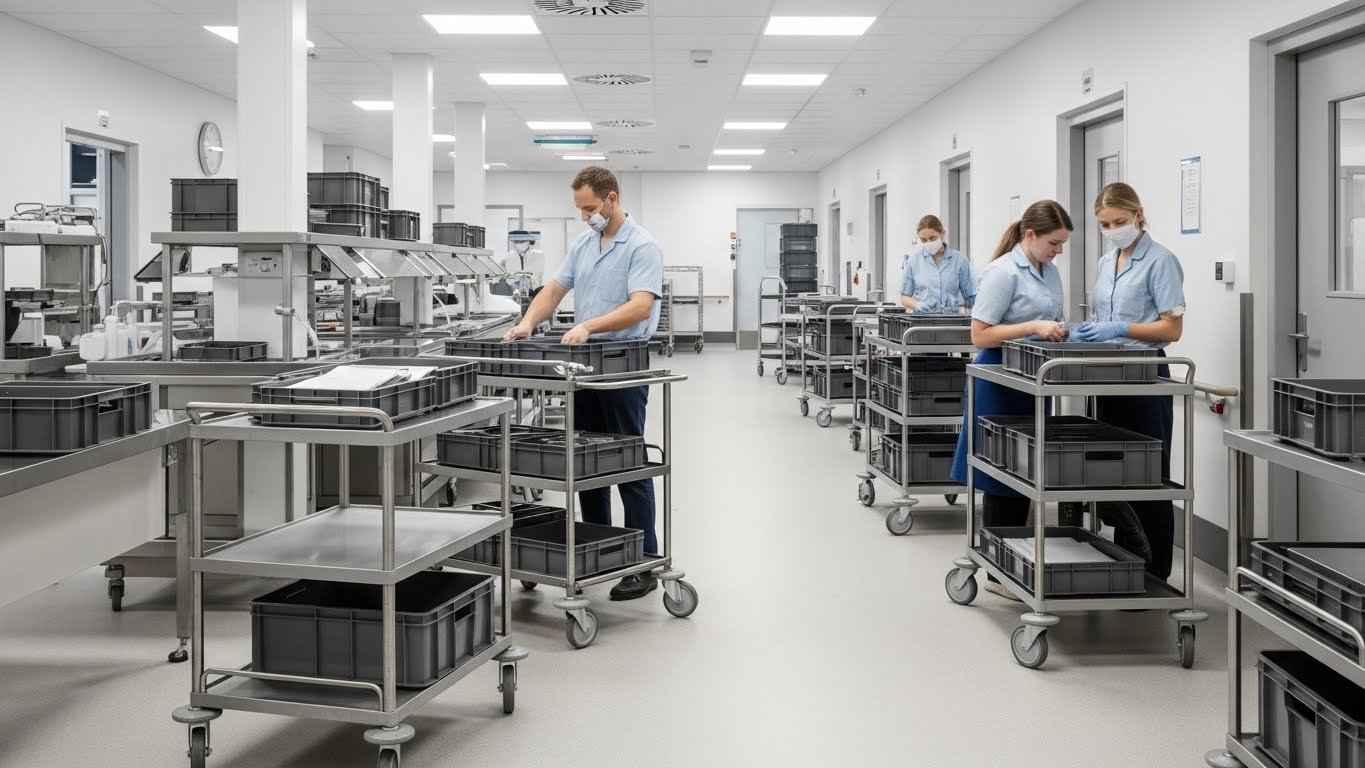
Modern professional environments depend on internal logistics that operate smoothly under constant pressure, limited space, and strict safety expectations. In sectors such as hospitality, healthcare, and facility services, even small inefficiencies in material handling can escalate into workflow disruption, physical strain, or hygiene risks. Tools that support movement and organization therefore play a structural role rather than a supplementary one. Afruimwagens occupy this role by combining transport, organization, and process continuity within a single mobile system. Their importance becomes most visible during peak activity, where consistency and reliability determine overall performance.
-
structured movement of materials
-
reduction of repetitive manual handling
-
support for hygienic workflows
The operational value of such equipment is not limited to capacity or durability alone. It emerges from the alignment between design, human behavior, and spatial constraints. When tools reduce unnecessary actions, they stabilize work rhythms and lower cognitive load. This article provides an in-depth examination of structural characteristics, functional implications, and practical relevance. Each section builds logically to explain how thoughtful design decisions translate into measurable operational advantages. The objective is to move beyond surface-level descriptions and present a comprehensive framework for understanding sustainable use in demanding professional settings.
Functional Foundations and Purpose-Driven Design
The functional foundation of afruimwagens centers on efficient internal transport within defined operational zones. Design choices such as frame geometry, shelf configuration, and load distribution directly influence daily usability. Each component contributes to how smoothly tasks are executed. Purpose-driven design supports natural movement patterns and minimizes unnecessary lifting. Stability enhances safety during transport. Understanding these fundamentals prevents misuse and inefficiency. In real operational environments, functionality determines whether equipment supports or obstructs workflow. Peak periods expose weaknesses quickly. Well-designed structures maintain consistency under pressure. Functional clarity transforms equipment into a reliable process component.
The implications of purpose-driven design extend to immediate efficiency gains without additional training requirements. Staff intuitively understand how to interact with the equipment. In real-world settings, this reduces errors and hesitation. Workflow remains predictable even during high activity. Organizations experience fewer physical strain complaints. Over time, this contributes to reduced absenteeism. Functional design supports long-term operational stability. Predictability becomes embedded in daily routines.
You Might Also Like: Klemroot
Ergonomics and Physical Load Management
Ergonomics plays a critical role in the sustained use of afruimwagens within physically demanding environments. Improper height, poor grip placement, or unstable movement increases cumulative strain. Ergonomic design aligns equipment dimensions with human biomechanics. This reduces stress on joints and muscles. The explanation matters because minor discomfort compounds over time. In real operational contexts, employees perform repetitive movements throughout shifts. Proper ergonomics prevents long-term injury. Acceptance increases when equipment feels natural to use. Ergonomic alignment directly influences compliance and consistency.
The implications affect both individuals and organizations. Reduced strain leads to more stable staffing levels. In practice, teams maintain performance consistency. Workload distribution becomes fairer. Ergonomic considerations support inclusivity by accommodating different body types. Organizations benefit from lower health-related costs. Over time, physical load management becomes predictable and controlled. Ergonomics supports sustainable productivity.
Material Selection and Structural Durability
Material selection determines the lifespan and reliability of afruimwagens in demanding environments. Metals, polymers, and composites each provide distinct advantages. Resistance to corrosion, impact, and cleaning chemicals influences suitability. Understanding material properties prevents premature failure. In real-world conditions, equipment faces moisture, heat, and frequent cleaning. Incorrect material choice accelerates wear. Durability begins with informed selection. Structural integrity supports safety and performance. Materials influence maintenance cycles.
The implications of durable materials include reduced replacement frequency and operational interruptions. In practice, reliability improves scheduling accuracy. Organizations experience fewer breakdowns. Durable materials align with sustainability objectives. Responsible selection demonstrates long-term thinking. Over time, consistent performance strengthens operational confidence. Material integrity becomes a strategic asset.
Hygiene Standards and Cleanability Requirements
Hygiene standards impose specific design demands on afruimwagens used in food service and healthcare settings. Smooth surfaces and sealed joints simplify cleaning. Design that facilitates sanitation reduces contamination risk. Hygiene is a core function, not an accessory. In real operational environments, cleaning occurs under time pressure. Equipment must support rapid, thorough sanitation. Cleanability maintains compliance with regulations. Safety is reinforced through design clarity.
The implications extend to regulatory adherence and organizational reputation. In practice, inspections proceed smoothly. Staff work with confidence. Clients perceive professionalism. Over time, hygiene consistency strengthens trust. Cleanability becomes embedded in daily routines. Compliance remains manageable.
Mobility and Maneuverability in Confined Spaces
Mobility determines how effectively afruimwagens operate in narrow corridors and crowded environments. Maneuverability depends on wheel configuration, balance, and turning radius. Understanding mobility prevents inefficient routing. In real settings, space constraints are constant. Equipment must move smoothly without collisions. Effective maneuverability reduces disruption. Flow remains uninterrupted. Mobility enhances safety.
The implications include time savings and reduced equipment damage. In practice, staff navigate spaces with less effort. Stress levels decrease. Maintenance costs decline. Mobility supports adaptability. Equipment serves multiple zones. Flexibility becomes operational standard.
Load Capacity and Weight Distribution Control
Load capacity defines how afruimwagens perform under real operational pressure, especially during peak activity periods. Proper weight distribution prevents tipping and uneven rolling. Design must account for both maximum load and dynamic movement. Understanding capacity avoids misuse that leads to failure. In practical environments, loads vary constantly. Equipment must handle irregular distribution. Balanced design maintains stability. Weight control protects floors and users. Structural limits must be respected. Capacity clarity supports safe operation. Reliability depends on predictable load behavior.
The implications include improved safety and longer service life. In practice, staff load equipment confidently. Accidents decrease. Maintenance intervals extend. Organizations benefit from consistent performance. Weight management supports planning. Over time, controlled capacity use stabilizes workflows. Equipment integrity remains intact.
Noise Reduction and Workplace Comfort
Noise generated by afruimwagens affects workplace comfort and concentration. Wheel material and bearing quality influence sound levels. Quiet operation supports calmer environments. Understanding noise sources prevents unnecessary disturbance. In real-world settings like hospitals or hotels, noise control is essential. Reduced sound improves experience. Comfort contributes to productivity. Design choices directly affect acoustic impact. Noise reduction becomes a functional requirement.
The implications include improved staff well-being and client satisfaction. In practice, quieter movement reduces stress. Communication improves. Organizations present a professional atmosphere. Over time, acoustic comfort enhances workplace quality. Noise control supports long-term operational harmony.
Safety Features Of Afruimwagens and Risk Prevention
Safety features integrated into afruimwagens mitigate common workplace hazards. Rounded edges, braking systems, and non-slip surfaces prevent injuries. Understanding safety design reduces accidents. In real operational contexts, movement occurs rapidly. Equipment must protect users and surroundings. Safety supports confidence. Preventive design minimizes liability. Risk prevention becomes structural.
The implications include fewer incidents and lower insurance costs. In practice, teams work with assurance. Training requirements decrease. Organizations demonstrate responsibility. Over time, safety culture strengthens. Equipment supports secure environments.
Storage Configuration and Spatial Efficiency
Storage configuration determines how afruimwagens organize materials during transport. Adjustable shelves and compartments increase flexibility. Understanding configuration prevents clutter. In real environments, spatial efficiency matters. Organized transport reduces handling time. Configuration supports task flow. Space utilization improves. Design aligns with operational needs.
The implications include faster task completion. In practice, staff locate items easily. Errors decrease. Organizations maximize space usage. Over time, efficiency compounds. Storage design supports consistency.
Compatibility Of Afruimwagens With Workflow Processes
Compatibility ensures afruimwagens integrate seamlessly into existing workflows. Equipment must align with process sequences. Understanding compatibility prevents disruption. In real operations, workflows vary. Equipment adapts without forcing change. Compatibility supports continuity. Design complements routines.
The implications include smoother adoption. In practice, resistance decreases. Training simplifies. Organizations maintain momentum. Over time, integration strengthens performance. Compatibility sustains efficiency.
Maintenance Requirements and Serviceability
Maintenance requirements influence long-term reliability of afruimwagens. Accessible components simplify service. Understanding serviceability reduces downtime. In real settings, maintenance must be quick. Design supports inspection. Preventive care extends lifespan. Serviceability ensures readiness.
The implications include predictable maintenance schedules. In practice, interruptions decrease. Organizations control costs. Over time, reliability improves. Maintenance planning becomes efficient.
Sustainability and Environmental Considerations
Sustainability considerations shape material choice and lifecycle management of afruimwagens. Durable construction reduces waste. Understanding environmental impact supports responsible use. In real-world contexts, sustainability goals matter. Equipment longevity aligns with policy. Design supports reuse. Environmental responsibility becomes practical.
The implications include reduced environmental footprint. In practice, organizations meet sustainability targets. Brand perception improves. Over time, responsible design delivers value. Sustainability supports long-term planning.
Standardization Across Departments In Afruimwagens
Standardization ensures consistent use of afruimwagens across departments. Uniform equipment simplifies training. Understanding standards prevents confusion. In real operations, consistency matters. Shared tools support coordination. Standardization reduces variability. Processes align.
The implications include smoother collaboration. In practice, staff transition easily. Organizations reduce complexity. Over time, standardization strengthens control. Consistency improves reliability.
Customization Options and Operational Fit
Customization allows afruimwagens to meet specific operational requirements. Modular components adapt to tasks. Understanding customization prevents overengineering. In real settings, needs differ. Tailored design improves fit. Customization supports effectiveness. Flexibility remains controlled.
The implications include better task alignment. In practice, efficiency increases. Organizations address unique demands. Over time, customization enhances value. Fit drives performance.
You Might Also Like: Miflow
Training Impact In Afruimwagens and User Familiarity
Training impact depends on intuitive design of afruimwagens. Simple interfaces reduce learning curves. Understanding usability accelerates adoption. In real operations, time is limited. Equipment must be self-explanatory. Familiarity builds quickly. Design supports learning.
The implications include faster onboarding. In practice, errors decline. Organizations save training resources. Over time, familiarity improves consistency. Ease of use sustains performance.
Cost Efficiency and Total Ownership Value In Afruimwagens
Cost efficiency evaluates afruimwagens beyond purchase price. Total ownership includes maintenance and longevity. Understanding value prevents short-term decisions. In real contexts, budgets matter. Durable equipment lowers lifetime cost. Efficiency supports investment logic.
The implications include better financial planning. In practice, expenses stabilize. Organizations gain predictability. Over time, value accumulates. Ownership cost aligns with performance.
Regulatory Compliance and Industry Standards
Regulatory compliance shapes design and use of afruimwagens. Standards ensure safety and hygiene. Understanding compliance avoids penalties. In real environments, audits occur. Equipment must meet requirements. Compliance supports legitimacy.
The implications include reduced regulatory risk. In practice, inspections proceed smoothly. Organizations maintain trust. Over time, compliance reinforces stability. Standards guide consistency.
Long-Term Operational Integration Of Afruimwagens
Long-term integration positions afruimwagens as permanent operational assets. Integration supports planning. Understanding long-term role prevents reactive replacement. In real operations, continuity matters. Equipment becomes infrastructure. Integration supports growth.
The implications include strategic alignment. In practice, operations scale smoothly. Organizations plan confidently. Over time, integration strengthens resilience. Equipment supports evolution.
Over time, the structured use of afruimwagens demonstrates how well-designed operational tools influence efficiency, safety, and consistency across professional environments. Each dimension explored highlights the importance of aligning design, ergonomics, mobility, hygiene, and durability with real-world demands. When organizations treat such equipment as integral infrastructure rather than incidental tools, they unlock cumulative operational benefits. Reduced physical strain, improved workflow continuity, and predictable performance contribute to sustainable productivity. Thoughtful selection and integration reinforce safety culture and support long-term planning. Ultimately, consistent attention to design intent and operational fit ensures that internal logistics remain resilient, adaptable, and professionally controlled.